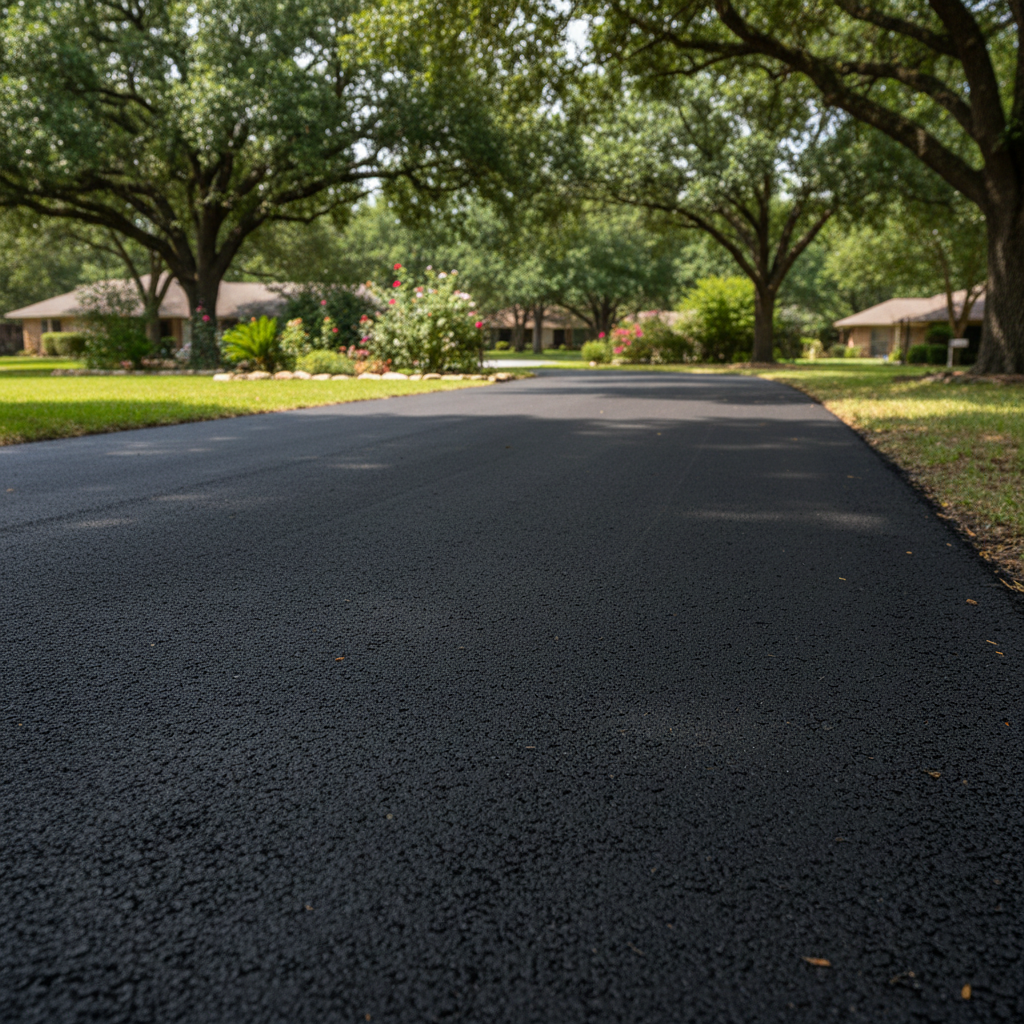
Thinking Asphalt? What to Know Before You Start
So, you're looking at your driveway and thinking it's time for an upgrade, or maybe you're putting in a new one. Asphalt's a great choice for Baytown homes, offering a smooth, durable surface that holds up well to our heat and humidity. But before you jump in, there are a few things you need to consider.
First off, what's your goal? Are you patching up a few cracks, resealing an old driveway, or tearing out concrete to lay down fresh asphalt? Each of these jobs has different requirements, and frankly, different levels of DIY feasibility. For anything beyond minor crack filling or basic sealcoating, you're probably looking at a pro job. I've seen folks try to lay a whole driveway themselves, and let me tell you, it rarely ends well. You need heavy equipment, specific materials, and a lot of know-how to get a proper, long-lasting base and finish.
Another big one is drainage. Our Baytown soil, especially in areas like Goose Creek, can be pretty clay-heavy. If your driveway isn't properly graded to shed water, you're going to have issues with pooling, which leads to premature cracking and deterioration. A good contractor will always assess your site's drainage and make sure the sub-base is prepped correctly. This isn't something you want to skimp on.
Permits? For a new driveway or a significant expansion, you might need one from the city. It's always best to check with the Baytown Planning Department before you start any major work. A reputable contractor will usually handle this for you, but it's good to be aware.
During the Project: What to Expect (and What You Can Do)
Alright, let's say you've decided to go with a pro for a new installation or a major repair. What should you expect when the crew shows up? Well, it's going to be a bit of a production. You'll see excavators, dump trucks, rollers – it's not a quiet job. The first step is usually excavation, removing the old material and digging down to create a proper foundation. Then comes the base layer, often crushed stone, which is critical for stability and drainage. This gets compacted thoroughly.
Once the base is ready, the hot asphalt mix arrives. This stuff is hot – usually around 300 degrees Fahrenheit – and it needs to be laid quickly and evenly. This is where the specialized equipment and experienced crew really shine. They'll spread it, rake it, and then use heavy rollers to compact it down to the final thickness. It's a precise process, and if it's not done right, you'll end up with an uneven surface, poor compaction, and a driveway that won't last.
What can you do during this phase? Mostly, stay out of the way! Make sure kids and pets are safely indoors. You can also make sure the crew has access to water if they need it. Communication is key, too. If you have any questions or concerns, bring them up with the site supervisor. They're there to make sure the job gets done right and you're happy with the result.
For smaller DIY jobs, like crack filling, you'll want to clean the cracks thoroughly first. Use a wire brush to get out any loose debris, then make sure it's dry. For sealcoating, you'll need to clean the entire surface, let it dry completely, and then apply the sealer evenly. It's a messy job, but definitely doable for a homeowner. Just make sure you pick a good quality sealer and follow the instructions carefully.
After the Asphalt: Keeping Your Driveway Looking Good
So, the crew's packed up, or you've finished your DIY project. Now what? The first thing with a new asphalt driveway is patience. You can't drive on it immediately. Most contractors will recommend staying off it for at least 24-48 hours, sometimes longer if it's been a particularly humid day. It needs time to cure and harden properly. Don't turn your steering wheel sharply while the car is stationary on a new driveway – that can leave scuff marks.
For ongoing maintenance, regular sealcoating is your best friend. I usually tell folks to plan on sealcoating every 2-3 years. This protects the asphalt from UV rays, water penetration, and oil spills, which can all break down the binder in the asphalt. It's like sunscreen for your driveway. You can do this yourself if you're up for it, or you can hire us at Asphalt Creations Baytown to handle it for you. It's a relatively inexpensive way to extend the life of your driveway significantly.
Keep an eye out for small cracks. It's much easier and cheaper to fill a small crack than to let it grow into a pothole. Use a good quality asphalt crack filler, making sure the crack is clean and dry before application. Also, try to keep heavy vehicles off your residential driveway if it wasn't designed for them. Parking your RV or a heavy work truck on it regularly can put a lot of stress on the asphalt and lead to premature wear.
Finally, clean up oil and gas spills quickly. These petroleum products can dissolve the asphalt binder, causing the surface to soften and crumble. A little kitty litter or sand can help absorb fresh spills, then clean it up with a stiff brush and some mild detergent.
Taking care of your asphalt driveway isn't rocket science, but it does require a little attention. A little preventative maintenance goes a long way in keeping it looking good and performing well for years to come.