What's the difference between patching and sealing, and when do I need each?
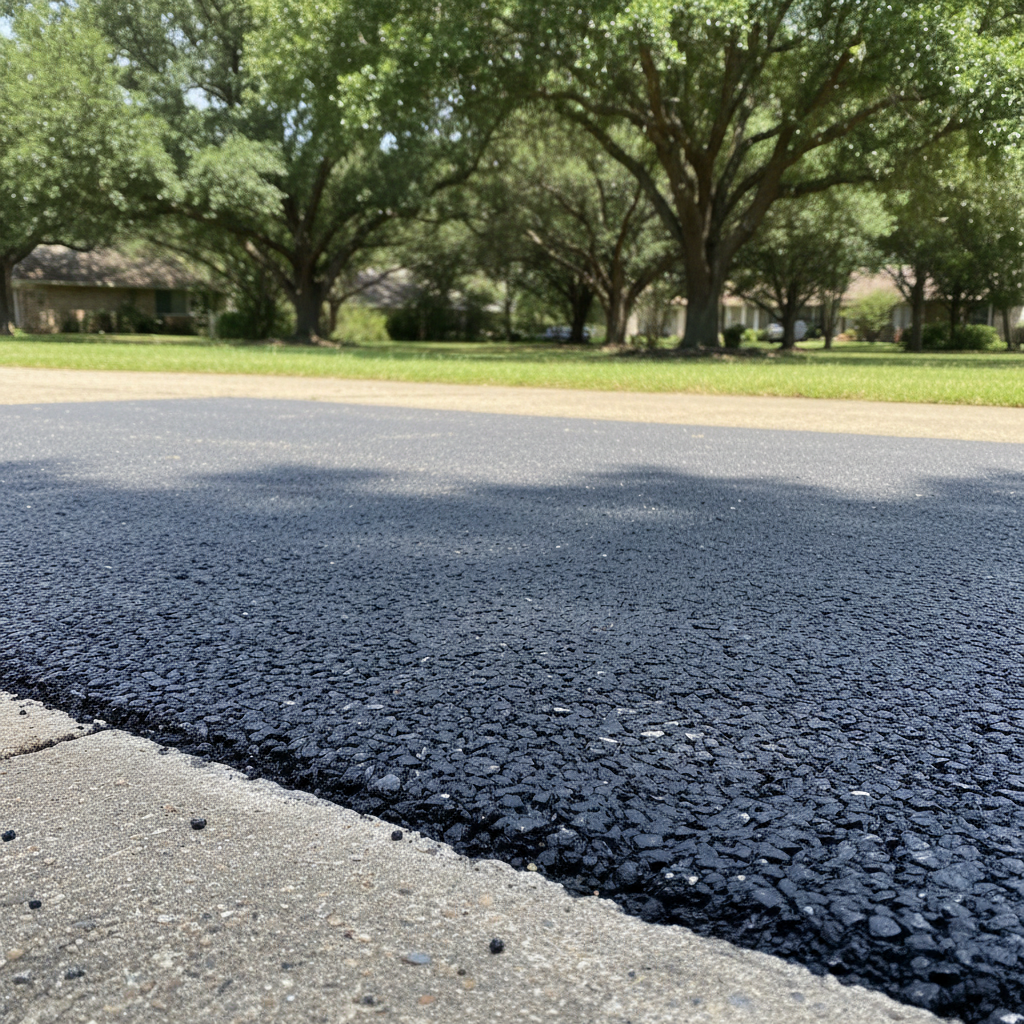
Alright, this is one of the most common questions I get. Think of it like this: patching is for fixing actual damage, like potholes or really bad cracks where the asphalt has broken apart. You've got a hole, you fill it, you compact it. That's a patch. It's structural, you know? You're putting material back where it's missing.
Sealing, on the other hand, is preventative maintenance. It's like putting sunscreen on your skin or a fresh coat of paint on your house. Sealcoating doesn't fix structural problems; instead, it protects the asphalt you already have from the elements – sun, rain, oil, gas. It keeps the top layer from drying out, cracking, and falling apart. If you've got a bunch of small, hairline cracks, sealing can help fill those and stop them from getting worse. But if you've got a pothole big enough to lose a small dog in, you need a patch first. *Then* you can think about sealing everything up.
How long does an asphalt repair typically last in our Baytown climate?
That's a tough one to give a single number for, because it depends on a few things. What kind of repair was it? A simple crack fill? A full-depth patch? And how well was it done? But generally, here in Baytown, with our hot, humid summers and occasional heavy rains, you can expect a good, professional patch to hold up for several years – maybe 3 to 5 years, sometimes even more, if it's done right and the underlying issue isn't too bad. Crack filling might need to be redone every couple of years as new cracks pop up or old ones expand.
The key is getting the repair done before the problem gets too big. Water is asphalt's worst enemy, especially with our clay soils around here. Once water gets under the pavement, it starts to mess with the base, and then you've got bigger problems than just a surface crack. Regular maintenance, like sealcoating every 2-3 years, can really extend the life of your repairs and your entire driveway.
Can I fix a pothole myself, or should I always call a pro?
Look, for a tiny, shallow pothole, you *can* try a cold patch product from the hardware store. It's a temporary fix, and it's not going to last as long or look as good as a professional job. But if you're in a pinch and just need to fill a small divot to prevent a tripping hazard, it's an option.
However, for anything larger, deeper, or if you have multiple potholes, you really should call us at Asphalt Creations Baytown. A proper pothole repair involves cleaning out the hole thoroughly, squaring up the edges, making sure the base is solid, applying a tack coat, filling it with hot mix asphalt, and then compacting it properly. Doing it right prevents water from getting back in and undermining the repair. If you don't do it right, you're just throwing money away, and that pothole will be back in no time, probably bigger than before.
What causes asphalt to crack and deteriorate so much here?
There are a few main culprits, and Baytown's got 'em all. First, the sun. Our intense Texas sun bakes the asphalt, making it brittle and less flexible. That's called oxidation. Then you've got water. Rain gets into those tiny cracks, and if it freezes (which doesn't happen often here, but it can), it expands and makes the cracks worse. Even without freezing, water softens the base layer underneath, leading to potholes and sinking spots.
Another big factor is traffic. The weight of vehicles, especially heavier ones, puts stress on the pavement. And don't forget our soil. We've got a lot of expansive clay around here. When it gets wet, it swells; when it dries out, it shrinks. This movement underneath your driveway puts a lot of stress on the asphalt, leading to cracking and settling over time. Poor drainage is also a huge contributor; if water sits on your driveway, it's going to break down faster.
How do I know if my asphalt needs repair or a full replacement?
That's the million-dollar question, isn't it? Generally, if your driveway has isolated cracks, a few potholes, or just looks faded, repairs and sealcoating are likely all you need. We can usually patch up individual problem areas and extend the life of your existing pavement significantly. Think of it like getting a few dents pulled and a fresh coat of paint on a car – still got plenty of miles left.
But if you're seeing widespread alligator cracking (it really does look like alligator skin), significant areas of crumbling, major depressions or humps, or if the entire surface is just falling apart, then you're probably looking at a full replacement. This means tearing out the old asphalt, checking and repairing the base, and laying down a brand new surface. It's a bigger investment, but sometimes it's the only way to get a long-lasting, safe, and attractive driveway.
Is there a 'best' time of year to get asphalt repairs done in Baytown?
Absolutely. The ideal conditions for asphalt repair are when it's warm and dry, but not scorching hot. Spring and fall are usually your best bets here in Baytown. The temperatures are moderate, which allows the asphalt materials to cure properly and bond well. If it's too cold, the asphalt won't compact right, and if it's too hot, it can be difficult to work with and might not set up as strong.
Trying to do repairs during our peak summer heat, especially when it's 95 degrees with 90% humidity, can be challenging. And trying to do it during a rainy spell is just a waste of time and money, as water is the enemy of a good repair. So, if you're thinking about getting some work done, aim for those sweet spots in April/May or September/October. That's when you'll get the best results and the longest-lasting repair.